
Exhibition sponsored by Northcot Brick
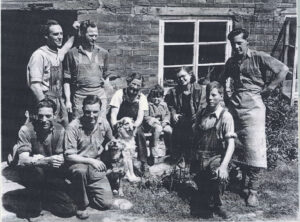
Originally named The Northwick Brick and Tile Works, it was set up 100 years ago to provide employment and housing locally after the First World War. This thinking echoed Arts & Crafts ideas from C. R. Ashbee setting up the Guild of Handicraft in 1888 to the establishment of the Rural Industries Bureau in 1925.
Edward George Spencer-Churchill, cousin of Sir Winston Churchill, had inherited the Northwick Park estate in 1912. Shocked by the rampant inflation and unemployment after the end of First World War, he employed geologists to find suitable material locally for a new industry. They suggested that the extensive deposits of blue clay would be perfect for brick making, including building houses.

The character of the local clay deposits is very unusual. They date from Jurassic period, about 170 million years ago, when the area changed from a hot and dry to a warm and wet climate. The clay is very dark when dug and a warm orange when fired for brickmaking. Two plesiosaur skeletons have been excavated from the site and ammonites turn up on a regular basis.

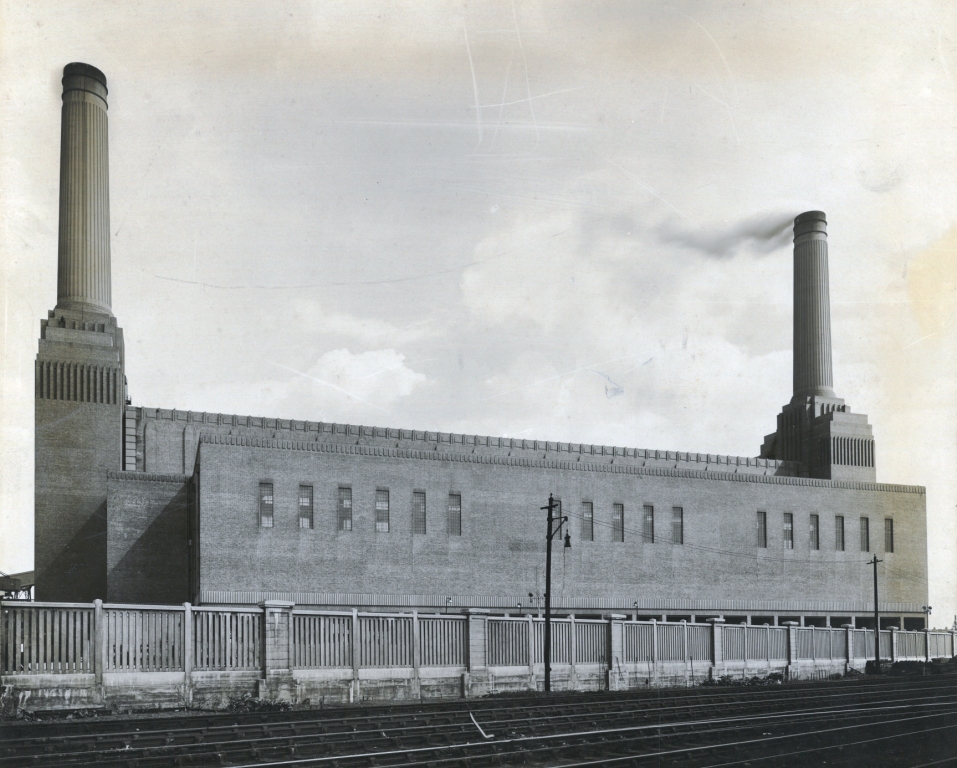
The brickworks flourished, famously providing the bricks – about 6.1 million Golden Brown pressed bricks – for London’s Battersea Power Station designed by the renowned architect Sir Giles Gilbert Scott in the 1930s. A brickmaker throws between 800 and 1000 bricks a day. The building was listed II* in 2006 and in 2012 work began on its restoration using Northcot bricks once again. The story of how David Hills, the conservation architect working on the project, managed to trace the original brickmakers and how Northcot responded to the challenge is an entertaining and serendipitous one. Northcot ended up providing 1.3 million bricks to restore the 1930s and 40s parts of the Power Station.
The exhibition will have a wide appeal and include hands-on activities for families including events around the skeletons and ammonites found on site. The ‘Rosie and Jim’ episode that visits the brickworks will also be available.
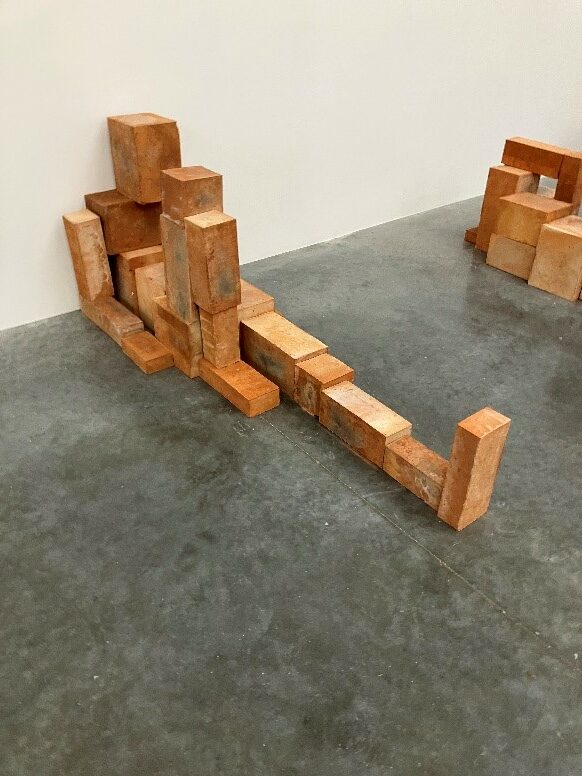
Also on show will be Sir Antony Gormley’s video of his visit to Northcot before his recent exhibition at White Cube, London where his installation was created using specially commissioned bricks. Olivia Tracey, assistant curator at Court Barn, comments:
‘we’re hugely excited to be collaborating with Northcot Brick, a local bespoke brickmaking company with a rich heritage and diverse contemporary commissions. The exhibition will have something for all ages, whether you’re local to the area or visiting the Cotswolds over the summer. We can’t wait to explore all things bricks and brickmaking and showcase the
brickworks’ stories past and present.’
This exhibition is curated by Mary Greensted, freelance curator and Chair of the Guild of Handicraft Trust, and Olivia Tracey, assistant curator, working closely with the Northcot Brick team.
One on One: 11.30 Saturday 12 July
Michael Brown – Managing Director, Northcot Brick – will be talking about developing a market for Northcot Brick and some of his favourite projects.
One on One: 11.30 Saturday 2 August
One on One: 11.30 Saturday 9 August and 11.30 Saturday 23 August
Friday 5 September Doors open at 5.30, talk starts at 6.00 pm, Chipping Campden Town Hall
The 2025 Ashbee Lecture:
The Brick that Time Forgot: Rebuilding Battersea (An Architect and Brickmaker’s Tale)
A talk by Dale Moss, General Manager of Northcot Brick and David Hills of Roger Mears Architects, Conservation Architect, Battersea Power Station Project. Booking required. £15.00 to include a glass of wine.
This event has been organised by the Friends of Court Barn.